 Salt Lake City Premier Water Damage Restoration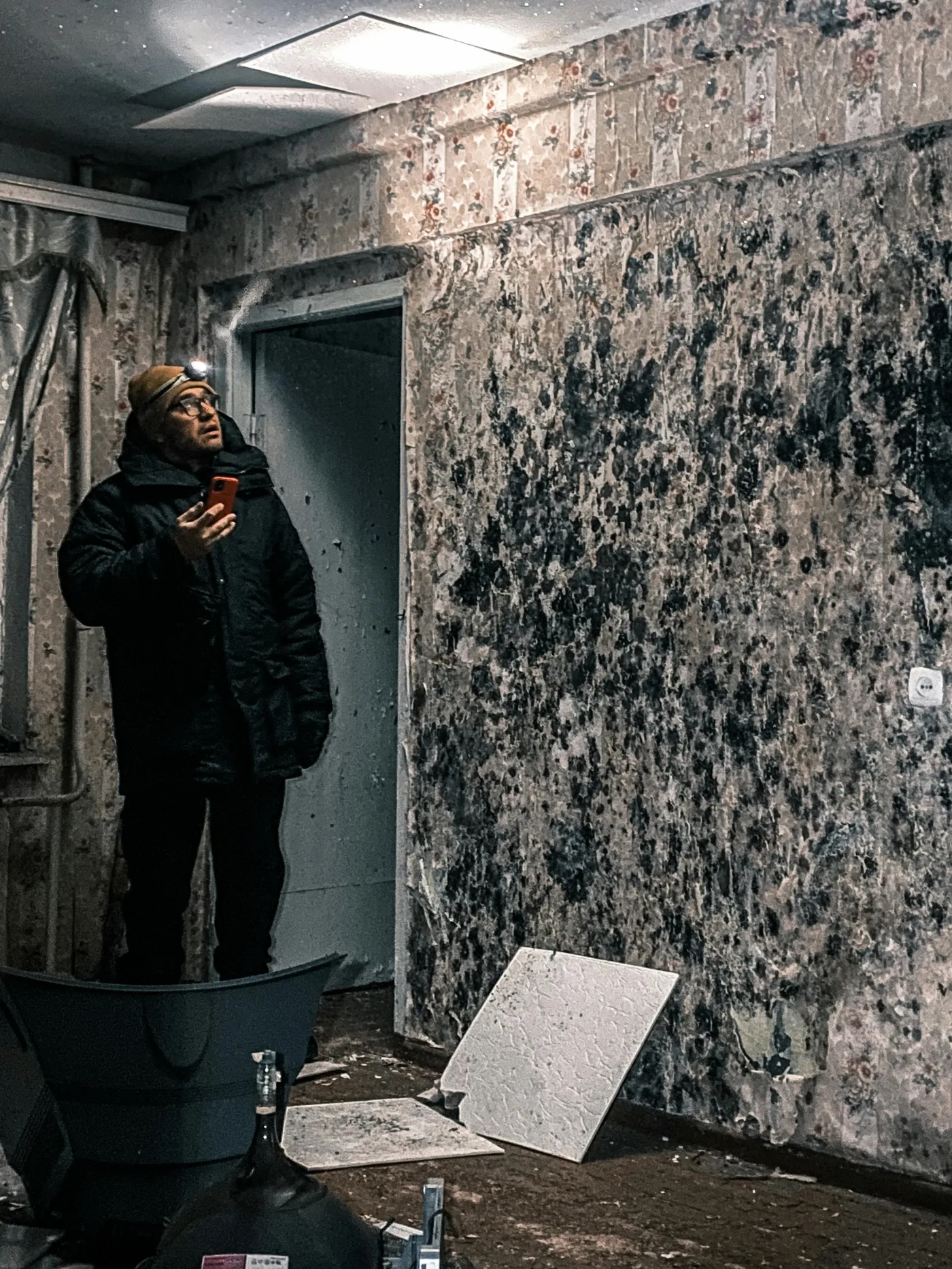
Mold Remediation Salt Lake City UT
IICRC & AMRT Certified • HEPA Containment • Clearance Testing • Free Estimates
Call (385) 217-7073 — Available 24/7Professional Mold Remediation in Salt Lake City, Utah
Salt Lake City’s arid climate is often assumed to prevent mold — it does not. Utah’s dry outdoor air has little bearing on the moisture conditions inside a water-damaged wall cavity, under a soaked subfloor, or in an attic saturated by a leaking swamp cooler. In enclosed wet spaces, mold can establish within 48 to 72 hours regardless of outdoor humidity. Swamp cooler (evaporative cooler) failures are among the most common sources of hidden mold in Salt Lake City homes — a clogged drain pan can silently saturate a roof deck and ceiling assembly for days or weeks before visible evidence appears indoors, by which time significant mold colonization has typically already occurred. Basement and crawl space mold is common in the Avenues, Sugar House, and other older Salt Lake City neighborhoods where aging foundations allow moisture infiltration. HVAC systems fitted with humidifiers — common in Utah’s dry climate — can also develop mold in air handling units and distribute spores throughout the home. Our AMRT-certified mold remediation technicians serve all of Salt Lake City and Salt Lake County. Call (385) 217-7073 for a free mold estimate.
Our Salt Lake City Mold Remediation Process
Mold remediation in Salt Lake City follows the IICRC S520 standard for professional mold remediation. Our process:
Mold Inspection & Testing — Thorough visual inspection of all affected areas including walls, ceilings, crawl spaces, attic assemblies, and HVAC systems. Air sampling and surface sampling identify mold species and confirm the extent of contamination.
Containment — Negative-pressure containment using heavy-gauge polyethylene sheeting and air scrubbers prevents mold spores from spreading to unaffected areas during remediation.
HEPA Vacuuming & Surface Cleaning — HEPA vacuums capture mold spores from surfaces. EPA-registered antimicrobial solutions are applied to non-porous surfaces. Porous materials that cannot be effectively cleaned are removed and properly disposed of.
Drying & Moisture Control — We identify and eliminate the moisture source, then dry affected structural materials to appropriate moisture content levels using industrial dehumidifiers and air movers.
Clearance Testing — Post-remediation air sampling confirms spore counts have returned to normal levels before the job is considered complete.
Common Mold Problems in Salt Lake City Homes
- Swamp Cooler Mold — Evaporative coolers are ubiquitous in Salt Lake City and a leading source of hidden mold. When a drain pan overflows or a supply line fails, water saturates the roof deck and ceiling framing. Because the damage is out of sight, mold often has days or weeks to establish before discovery. Any ceiling discoloration below a swamp cooler warrants immediate professional inspection.
- Basement and Crawl Space Mold — Older Salt Lake City neighborhoods — the Avenues, Sugar House, Poplar Grove, Rose Park — feature homes with unfinished basements and crawl spaces where moisture from soil, foundation cracks, and plumbing leaks creates persistent mold conditions. Crawl space encapsulation is often the long-term solution.
- HVAC Humidifier Mold — Many Utah homes add whole-house humidifiers to combat the dry climate. These units connect directly to the HVAC system and, when they leak or malfunction, can introduce moisture directly into air handling units and ductwork — spreading mold spores throughout the home every time the system runs.
- Post-Flood Mold — Homes that experienced Jordan River flooding in spring 2023 or Wasatch canyon flash flooding and were not professionally dried are at elevated mold risk. If you notice musty odors in a home that sustained flooding and was not professionally restored, inspection is warranted.
- Attic Mold — Inadequate attic ventilation in older Salt Lake City homes traps moisture from interior air, producing mold on roof sheathing. More common in homes without proper soffit and ridge venting.
Frequently Asked Questions — Mold Remediation Salt Lake City
-
Mold can begin colonizing within 24–48 hours of a water event in Salt Lake City’s climate. Utah summers provide warm temperatures and elevated humidity that accelerate mold establishment. Any wet organic building material — drywall, wood framing, insulation, carpet backing — is at risk from the moment moisture exposure begins. This is why the first 48 hours after a water event are the critical response window.
-
Peeling or bubbling paint, discolored drywall patches, soft spots on walls, or a persistent musty odor — particularly in a room that had prior water intrusion — are the primary indicators of mold behind walls. Air quality sampling can detect elevated spore counts even when visible growth is entirely hidden inside wall cavities. Do not open walls yourself if you suspect mold — disturbing a mold colony without proper containment spreads spores throughout the home.
-
Coverage depends on the cause. Mold that resulted from a covered sudden water event — burst pipe, appliance failure, storm roof damage — is often covered under the water damage claim in Utah. Mold from gradual leaks, condensation, or long-standing moisture issues is typically not covered. Document the connection between the water event and the mold growth thoroughly. We provide documentation to support insurance claims on every Salt Lake City mold remediation job.
-
Small areas of surface mold (under 10 square feet) on non-porous surfaces can sometimes be addressed by a homeowner using EPA-approved biocides and proper PPE. However, mold behind drywall, in attic sheathing, in crawl spaces, or following any water damage event almost always warrants professional remediation. DIY surface cleaning does not address mold inside building assemblies, and incomplete remediation leaves viable spores that regrow quickly under Salt Lake City’s warm, humid conditions.
Get a Free Mold Remediation Estimate in Salt Lake City
Don’t wait — call (385) 217-7073 now or fill out the form for a free mold estimate in Salt Lake City, Utah.
AMRT Certified • HEPA Containment • Clearance Testing • Licensed & Bonded in Utah